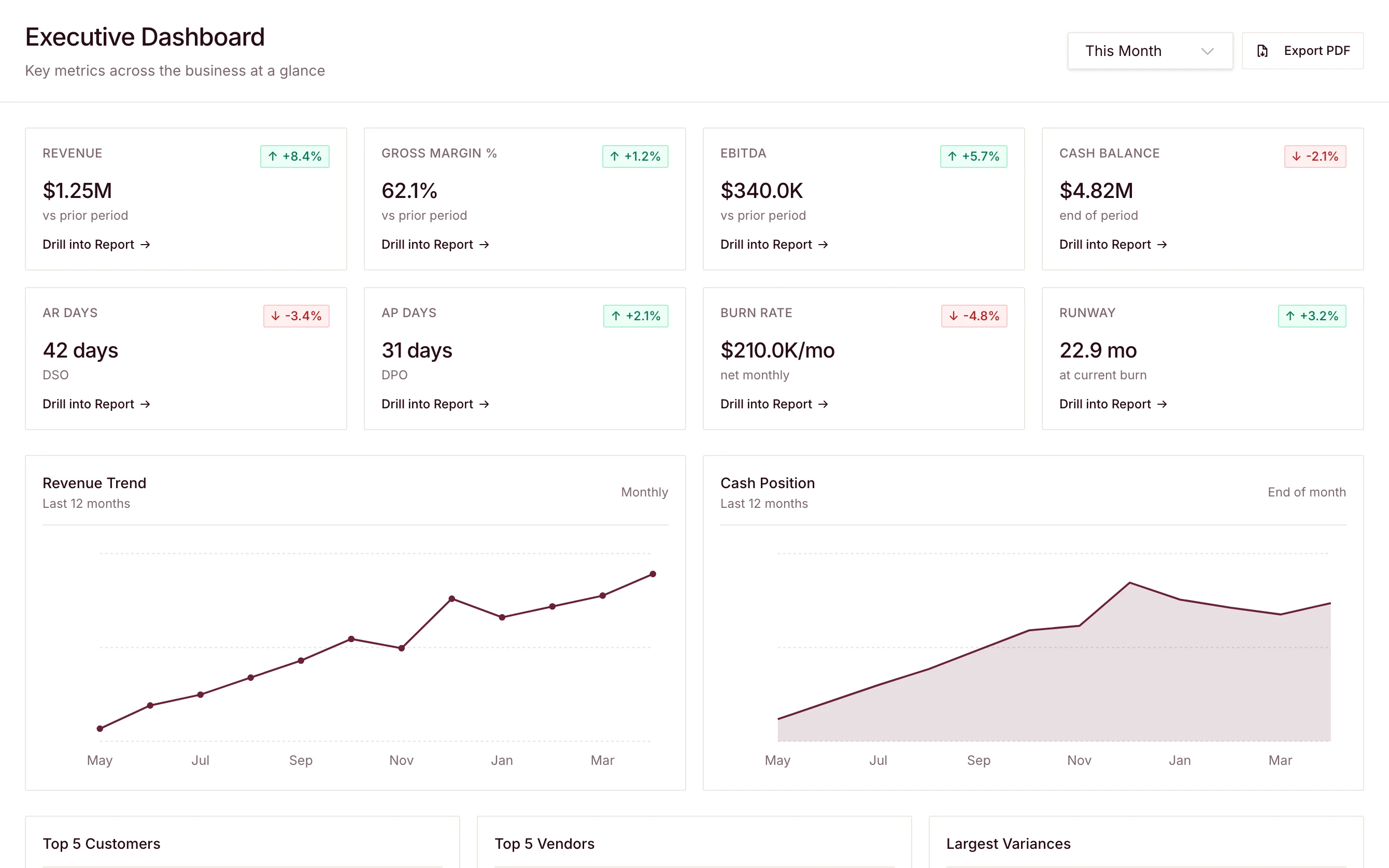
Many finance teams still run on ERP installed on their own servers. It has served them, at the cost of hardware, upgrade projects and IT time. Rivane moves the books to the cloud, reading live from the ledger.
- servers for finance to host
- 0
- updates in the background
- Continuous
- to go live
- Weeks
Where on-premise ERP fits
On-premise systems give full control of where data sits, and some teams have run them reliably for years. That control means buying, patching and backing up servers, planning disaster recovery and scheduling upgrades. Rivane takes that work away from finance.
What changes when you move
- Servers to buy, patch and back up
- Disaster recovery to plan
- Scheduled, disruptive upgrades
- Overnight batch reporting on the network
- Cloud-native, nothing to host
- Continuous automatic updates
- Live reporting from the ledger
- Access from any browser
- No infrastructure. No servers, backups or disaster recovery setups for finance to maintain.
- Always current. Continuous updates replace the deferred upgrade cycle.
- Real-time everywhere. Books read live from the ledger in a browser, with no overnight batch or VPN.
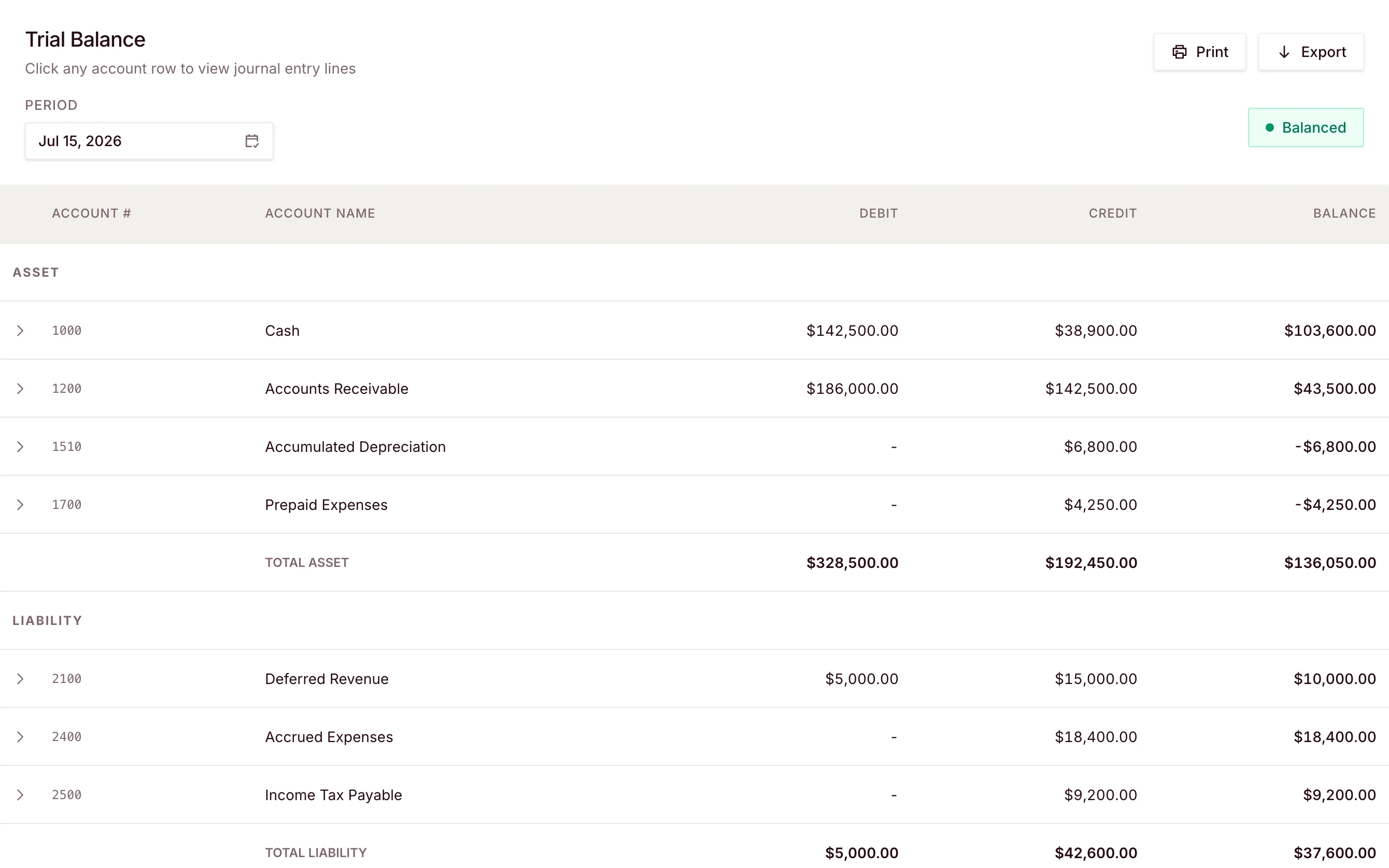
How the move works
- 1Rivane owns the migration
Historical balances and transactions are brought over and reconciled for you.
- 2Parallel run
Run Rivane alongside your on-premise system until you are ready to decommission it.
- 3Live in weeks
A focused cloud rollout instead of another multi-quarter on-premise project.
Security moves with you: access is role-based, every action is logged, and controls are aligned to enterprise security standards. The Trust Center sets out the detail.
Further reading
Questions
What happens to our infrastructure?
You can decommission it. Rivane is cloud-native, so there are no servers, backups or disaster recovery setups for finance to maintain.
How disruptive are upgrades?
They are not. Rivane updates continuously in the background.
How long does migration take?
Most teams go live in weeks, with Rivane owning the data migration and a parallel run before cutover.
Is our data secure in the cloud?
Access is role-based, every action is logged, and controls are aligned to enterprise security standards.