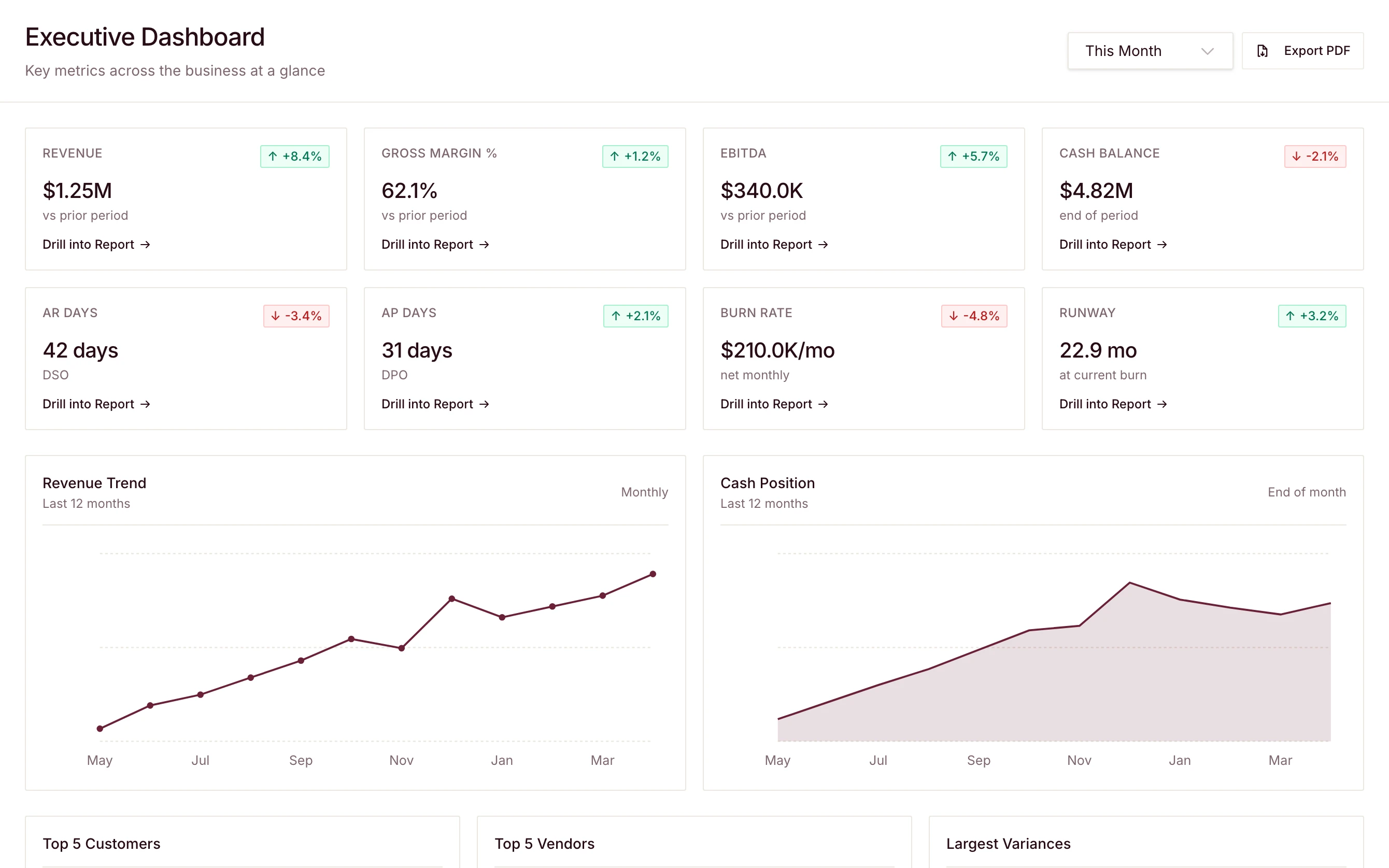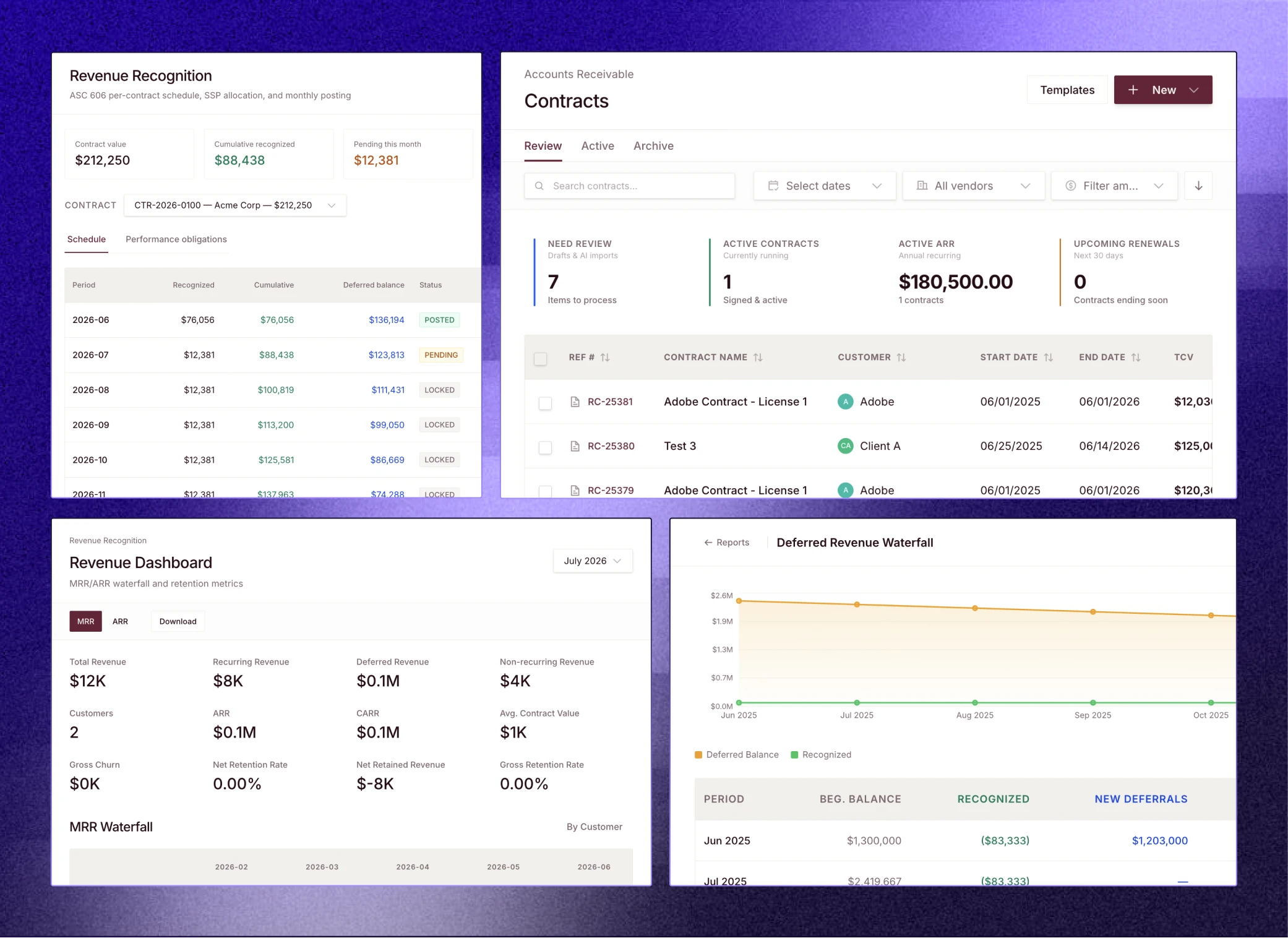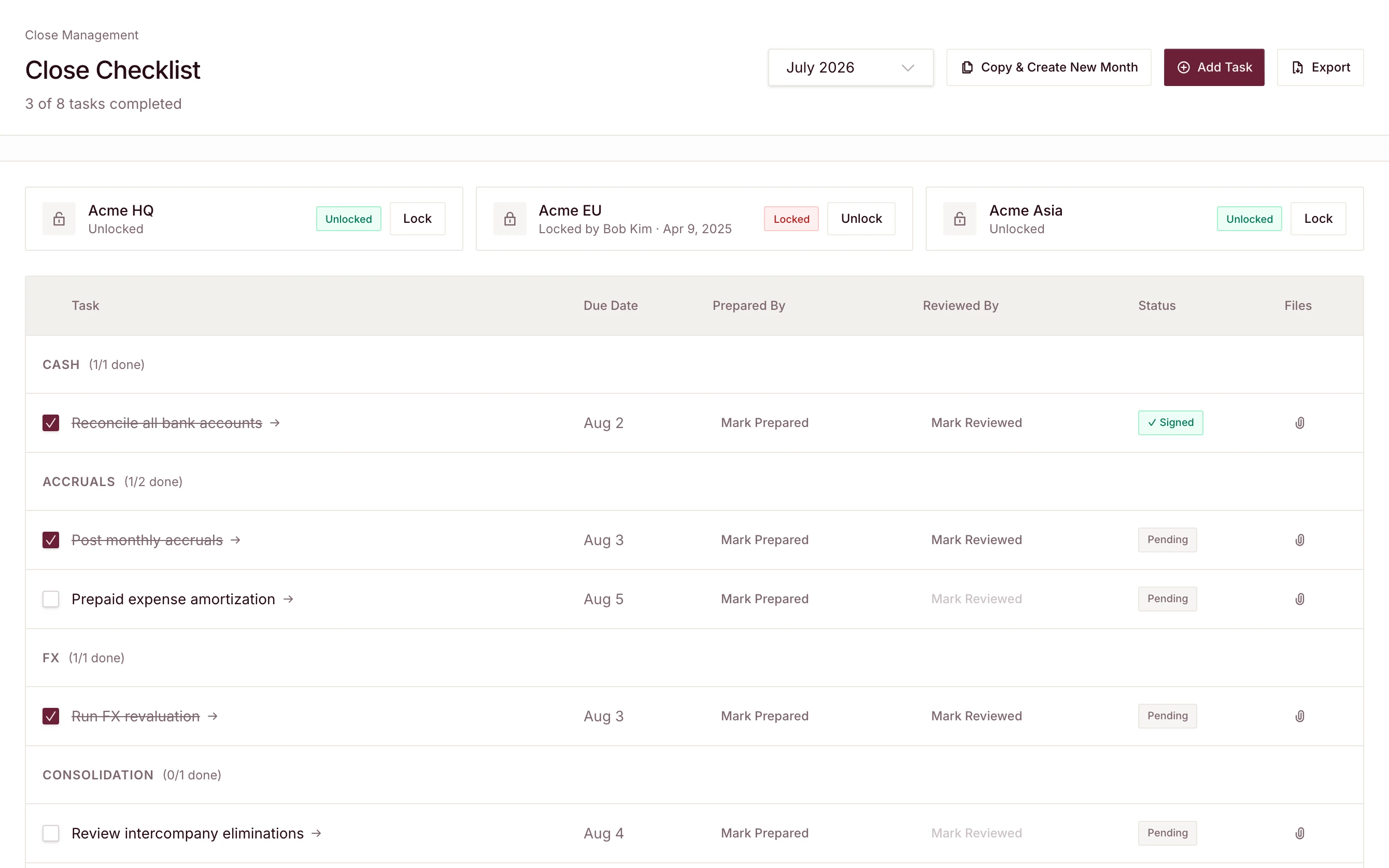
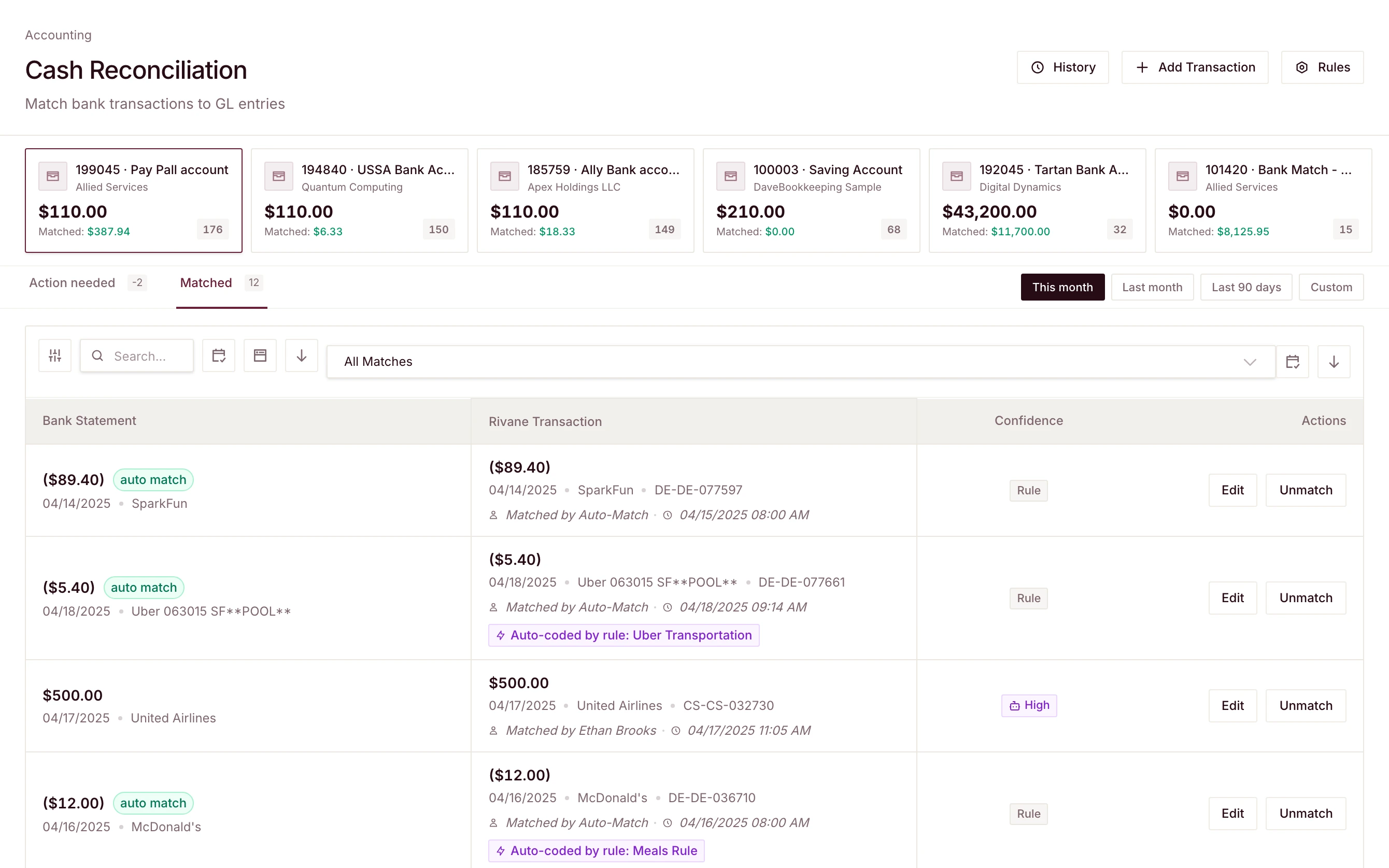
The controller owns the close, and too often the close owns the controller. Rivane spreads the work across the month: matching runs daily, recurring entries post on schedule, and period end becomes a review of exceptions rather than a rebuild.
- steps in the controller toolkit: orchestrate, reconcile, post, sign off
- 4
- bank to GL matching
- Daily
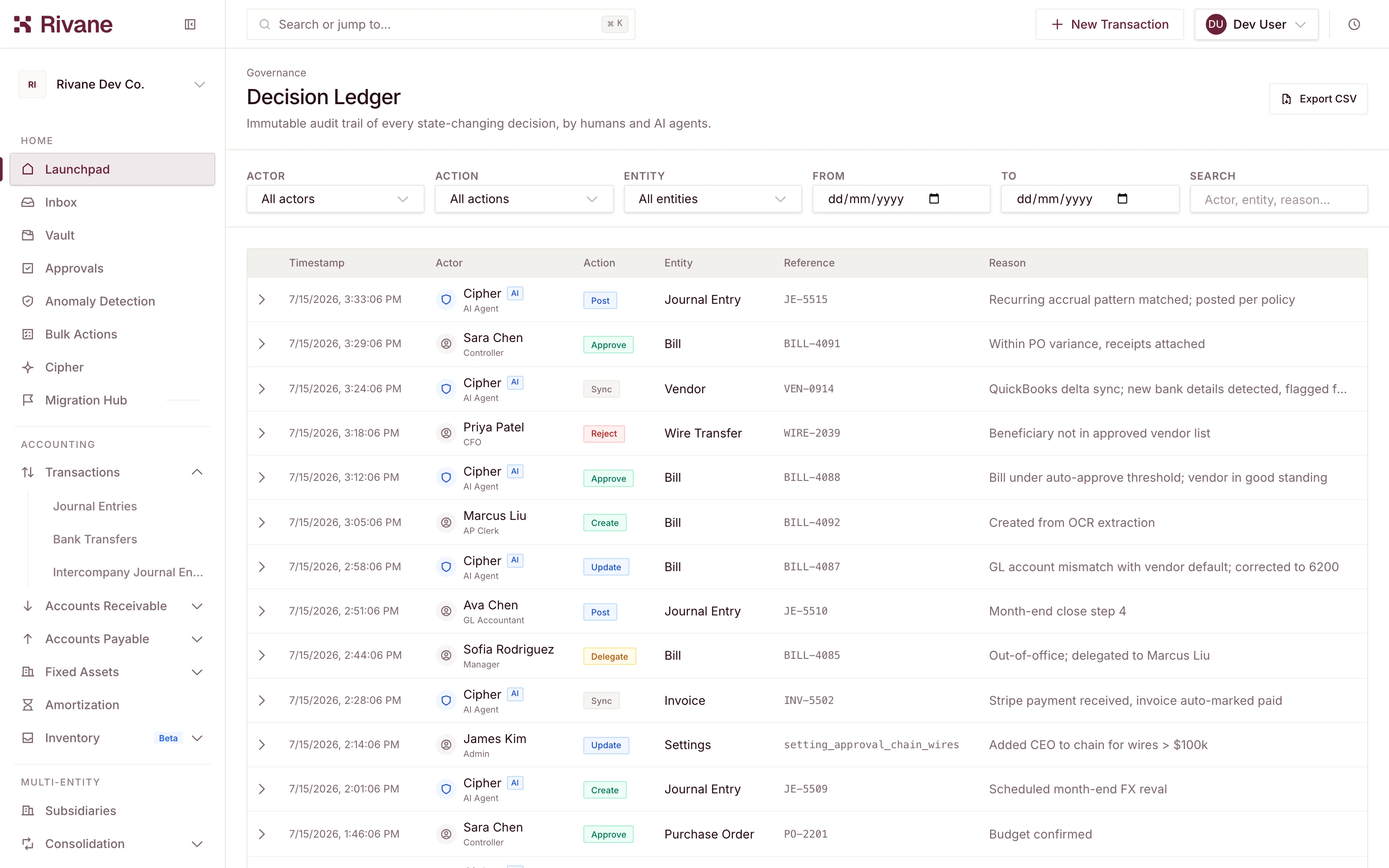
- audit trail, every action attributed
- Full
Jemma Ewin was Group Financial Controller of Life-Space Group, where she led finance through BY-HEALTH’s acquisition of the group for A$700M, alongside ASX statutory reporting, tax, audit and a NetSuite upgrade. She knows what a close looks like when the stakes are high and the calendar does not move.
Why does it still take days or even weeks to close month-end accounting and generate the information needed to run a business?
 Jemma EwinCEO & Co‑Founder · Global CFOJemma Ewin, CEO & Co‑Founder · Global CFO
One board for the whole close
- Orchestrate. Every task, owner and dependency in one place with live status, so blockers surface without a status call.
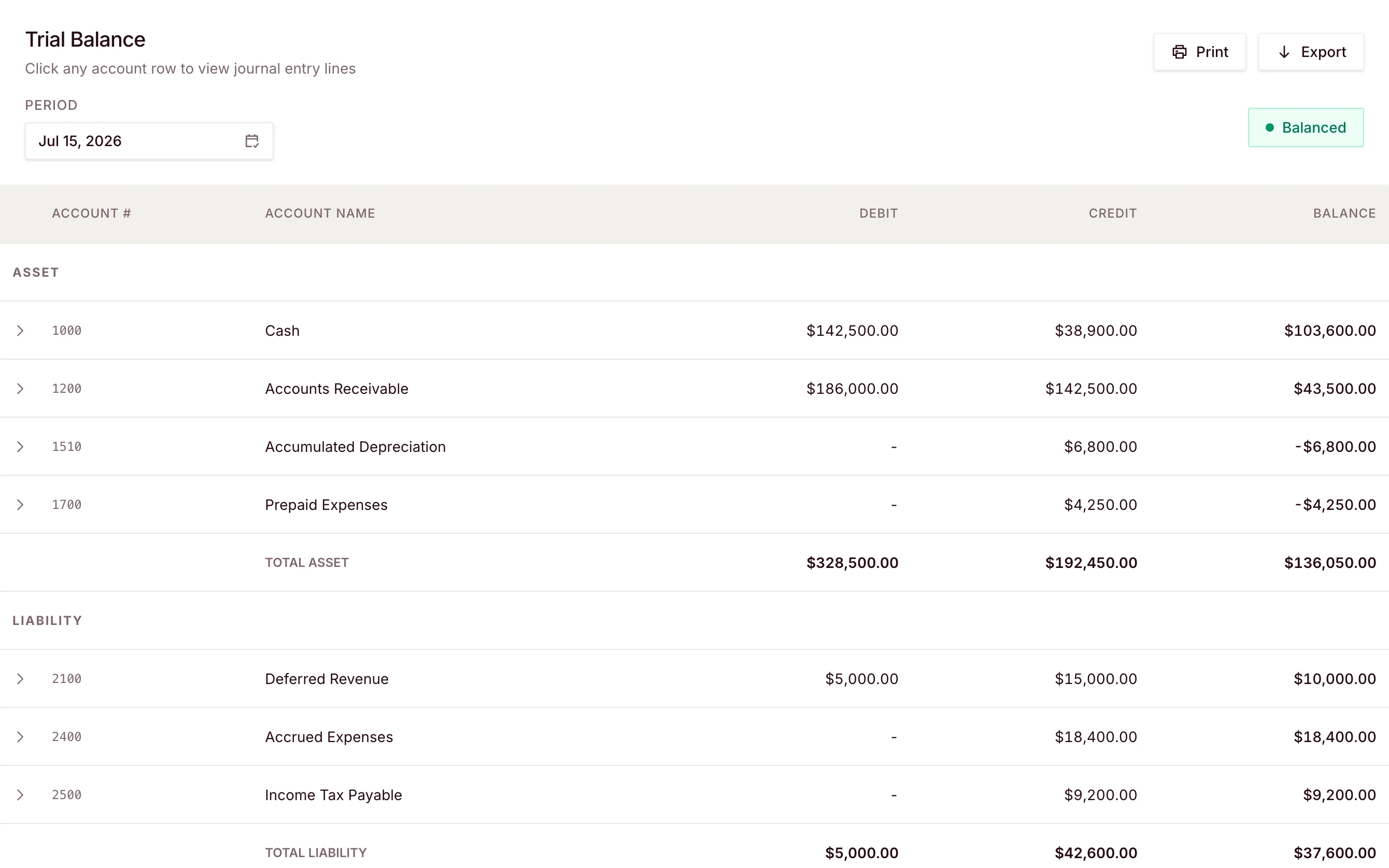
- Reconcile. Clean matches clear automatically and only genuine exceptions reach a person, with reconciling items tracked to resolution.
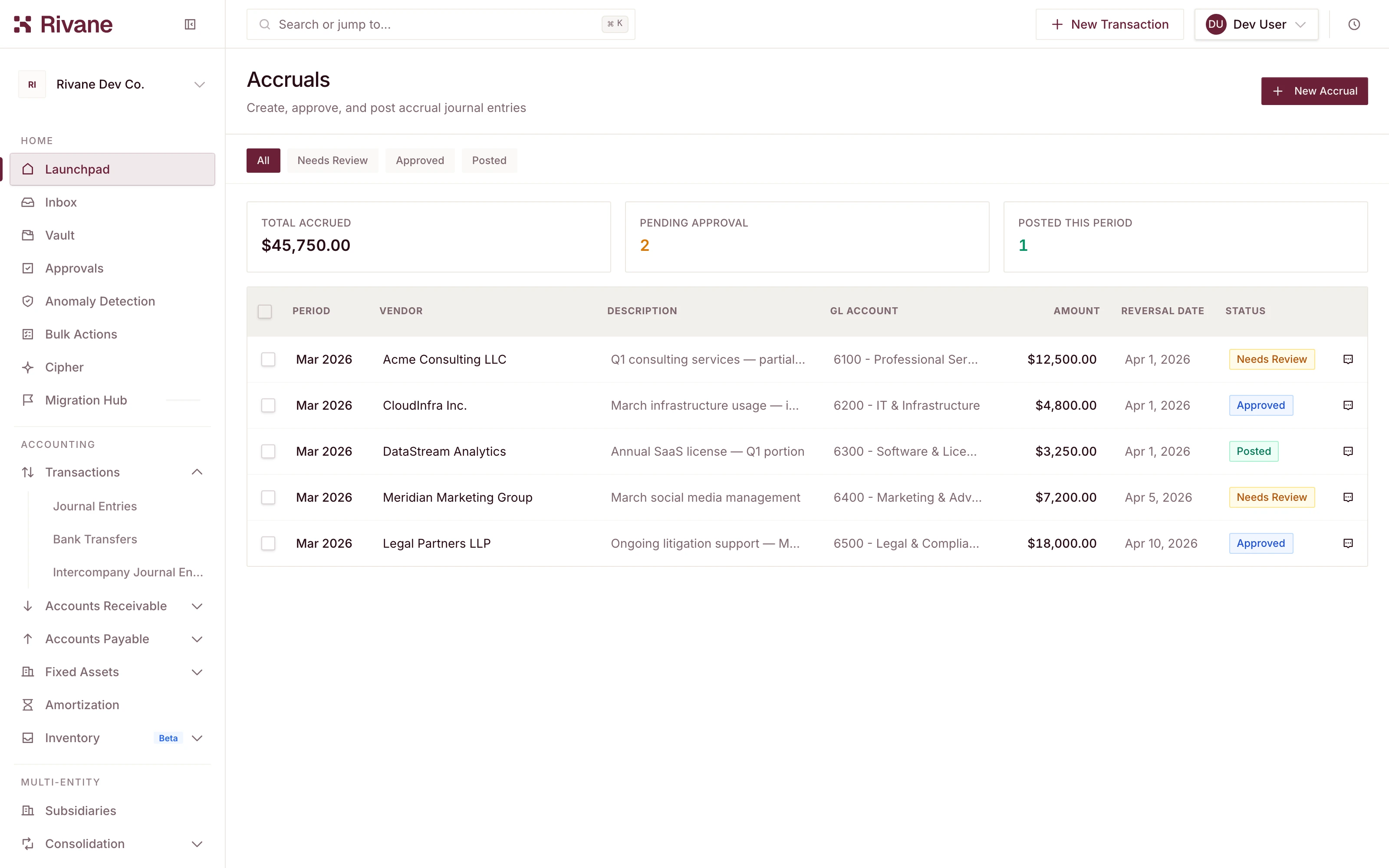
- Post entries. Accruals, allocations, amortisation and recurring journals post on schedule with the coding you define.
- Sign off. Reviewers approve entries and tasks where the work lives, with flux and variance flagged for review.
- A wall of transactions at cutoff
- Status chased by email
- Recurring entries rekeyed
- Sign-off in an inbox
- Matching done through the month
- Live status on one board
- Rule-based entries on schedule
- Approvals attached to the entry
Audit-ready workpapers
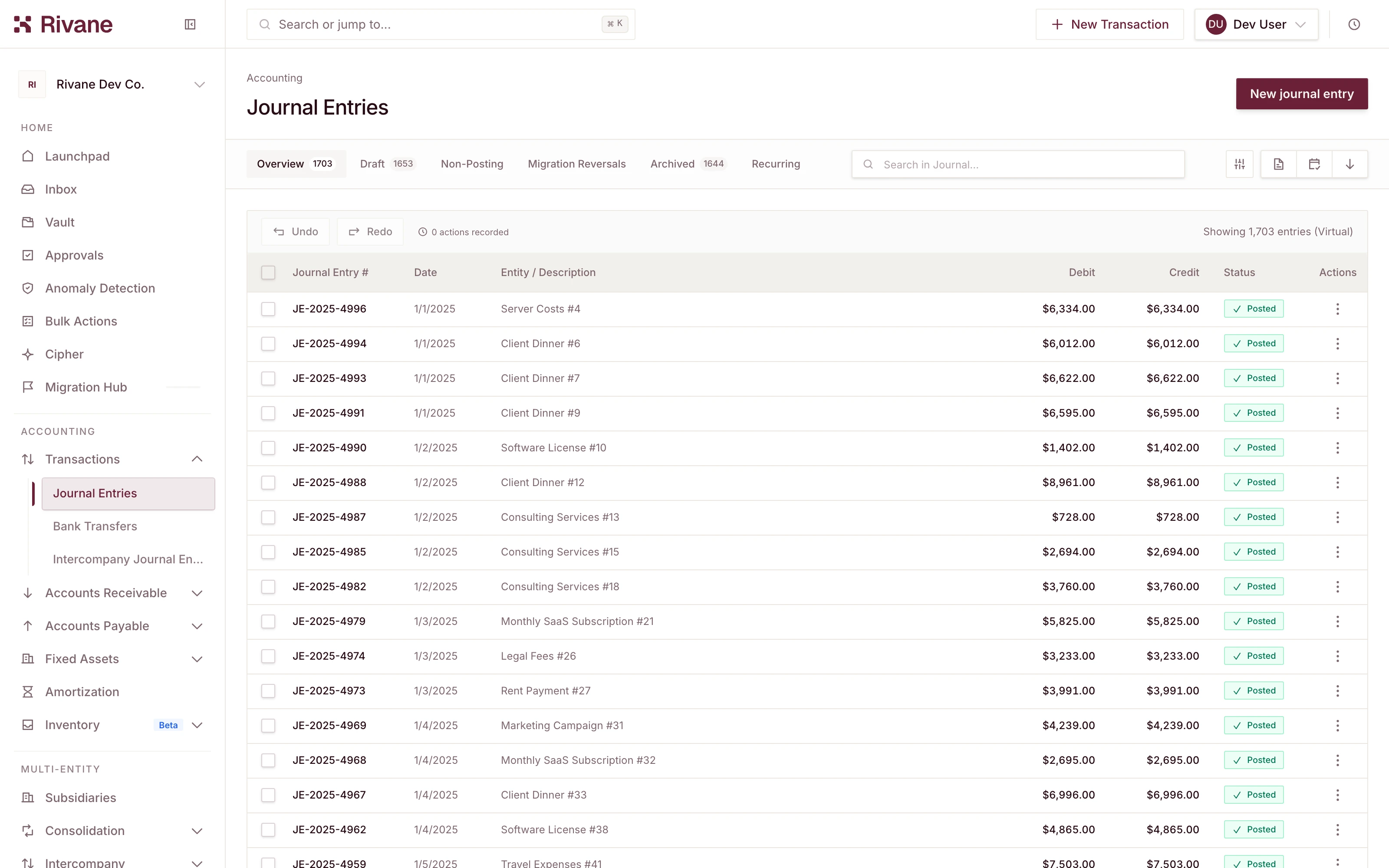
Every action is logged and exports into audit-ready workpapers, so audit season stops eating the team, and the close runs the same whether or not anyone is heroic.
Further reading
Questions
Does Rivane replace our checklist tool?
Yes. Rivane orchestrates close tasks with dependencies and live status, and runs reconciliations inside the same flow.
Can I automate recurring entries?
Accruals, allocations, amortisation and recurring journals post on schedule with rule-based coding.
Why is the close shorter?
Reconciliation and validation run continuously, so most of the work is done before period end and you set the close date.
Where does sign-off live?
On the entry. Approvals and reviewer notes are captured in place with a timestamped trail, not in email.